October 15, 2026
Preparing your home before mold remediation can help organize affected areas and provide remediation professionals with better access to the property. The process may involve identifying affected areas, addressing moisture sources, removing affected materials, cleaning surfaces, and using specialized equipment. Understanding what to expect can help homeowners prepare their property and communicate relevant information about visible mold, moisture, or other concerns.
Initial Mold Assessment
Identify Affected Areas
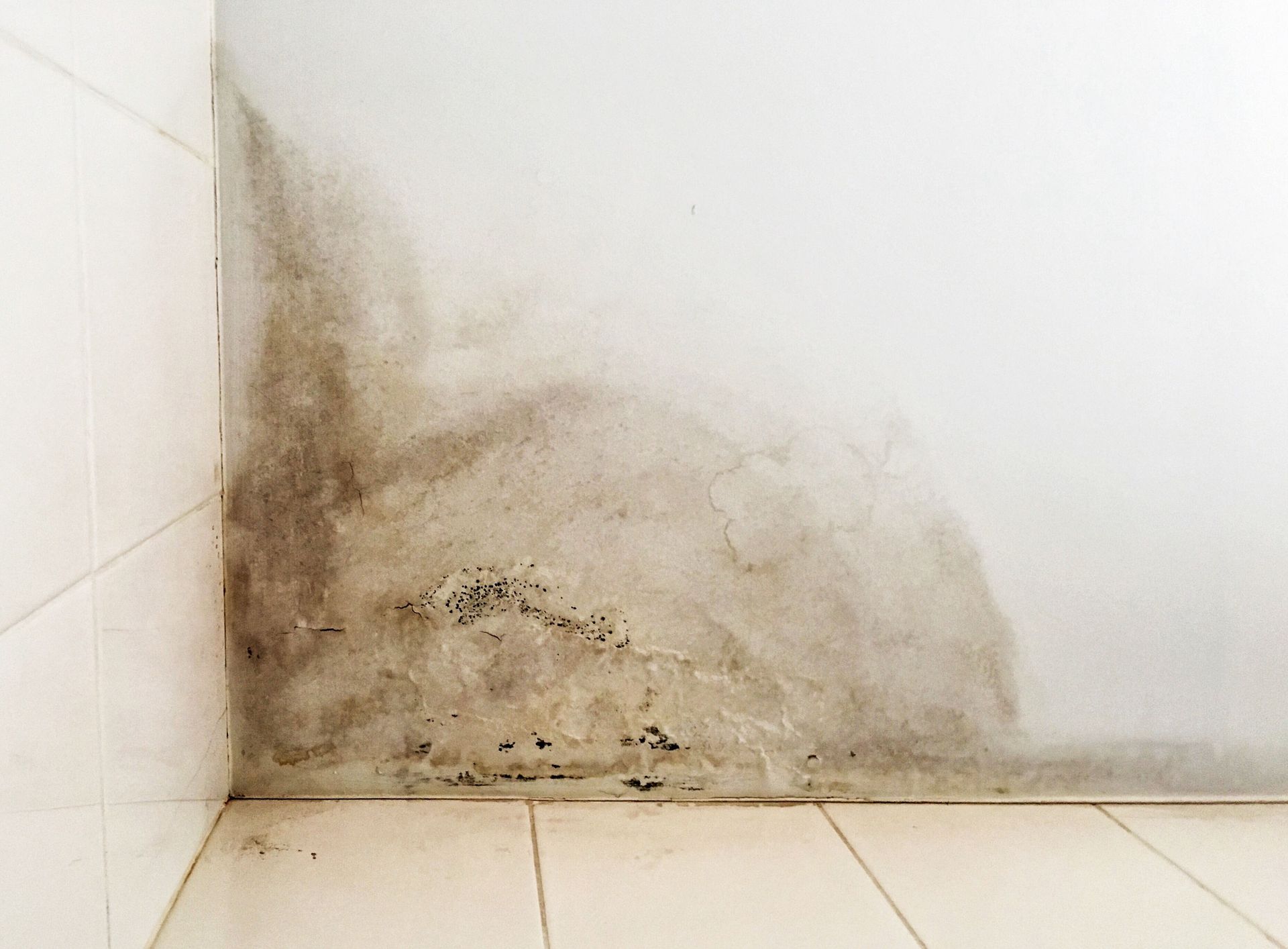
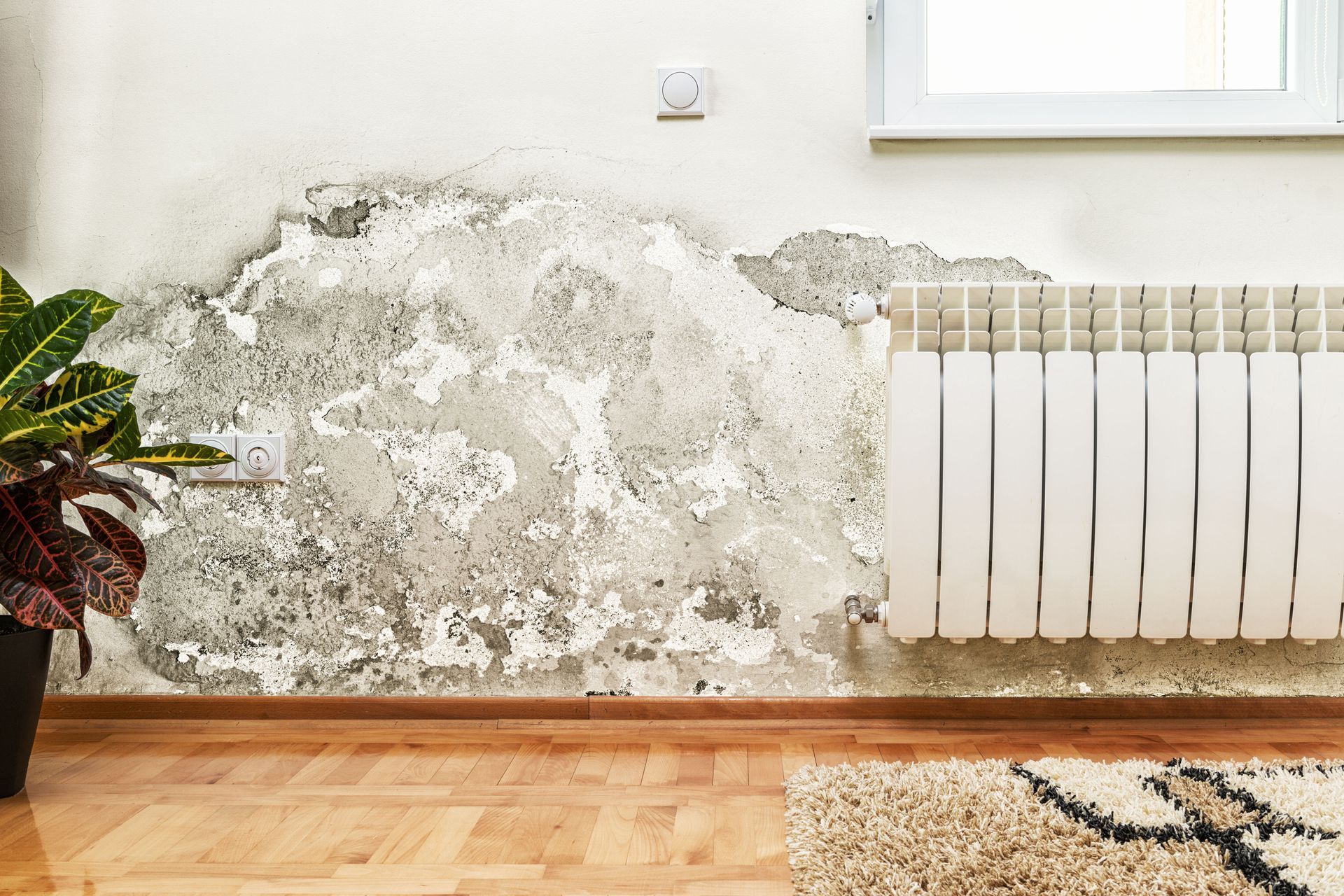
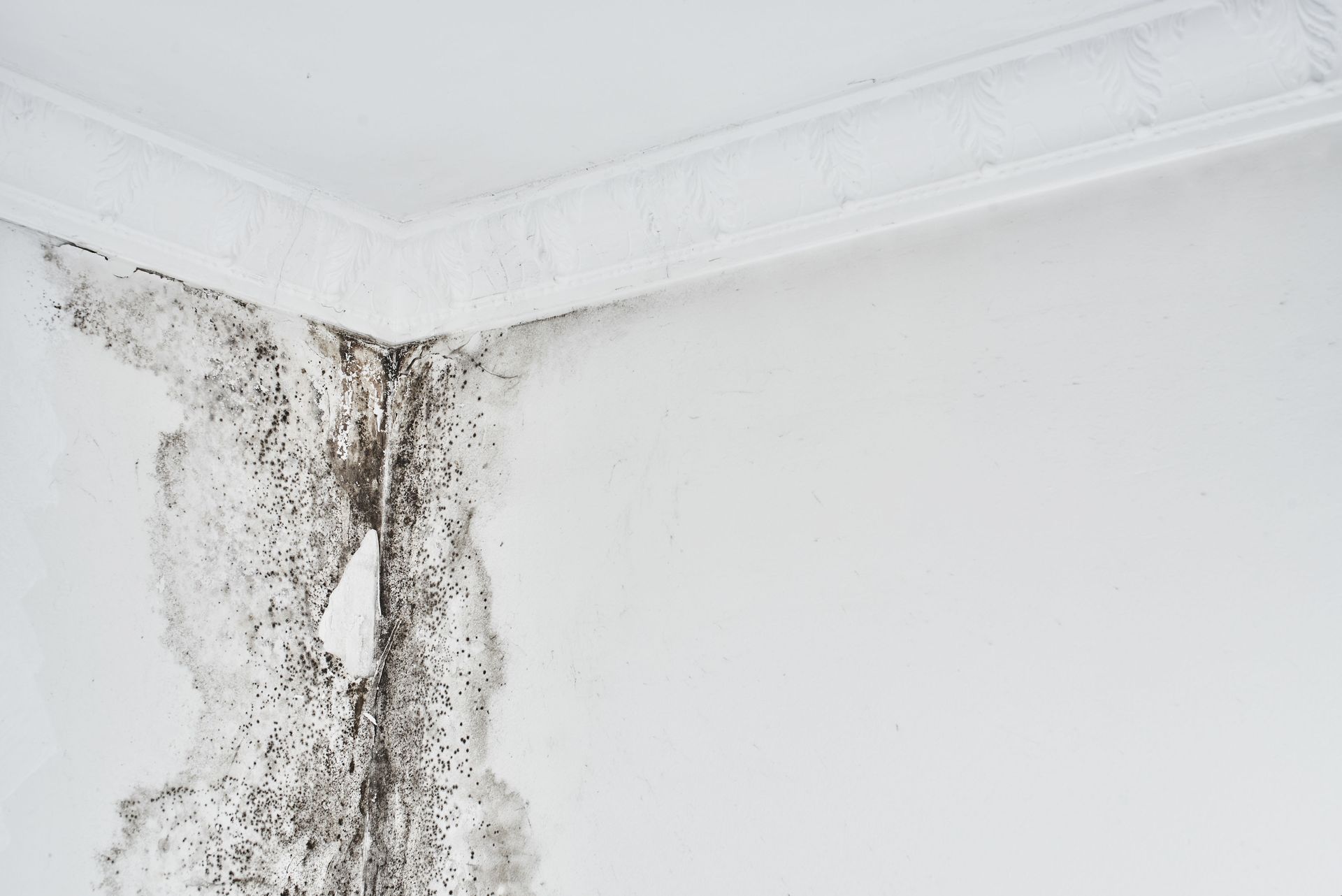
Start by noting areas where you can see signs of mold growth or where you have identified moisture concerns. Visible mold and persistent odors can provide useful information when discussing the property with a remediation professional. Record the locations of visible concerns, so they can be considered during the inspection and remediation process.
Assess Mold Growth
The extent of mold growth can be evaluated through a professional mold inspection. An inspection may include visual assessments, moisture measurements, thermal imaging, and mold sampling and laboratory analysis when appropriate. This assessment can help determine the scope of the mold problem and inform recommendations for remediation.
Investigate Hidden Moisture
Mold concerns may involve areas that are not immediately apparent during a visual inspection. Professional assessments can use moisture meters and thermal imaging to help identify moisture-related concerns that may not be visible. Identifying moisture sources is an important part of evaluating a property before determining the appropriate remediation approach.
Consider Moisture Concerns
Moisture is an important consideration when evaluating mold concerns. According to Fixr, mold colonies can start to form when indoor humidity levels go above 45%. Before remediation begins, identify any known moisture problems and communicate them to the remediation professional.
Detailed Remediation Planning
Contact Mold Remediation Professionals
Once you have identified visible mold or moisture concerns, contact a mold remediation professional to discuss the property. A professional assessment can help determine the extent of affected areas and whether additional testing or analysis is appropriate. Sharing information about visible mold, moisture problems, and affected areas can help inform the evaluation.
Document Affected Areas
Before remediation begins, document areas where you have noticed visible mold, moisture, or related concerns. Keeping track of affected locations can give the remediation professional useful information during the initial assessment. This can be particularly helpful when multiple areas of a property are involved.
Prepare the Affected Areas
Preparing affected areas can help provide access for the remediation process. Identify the spaces where mold or moisture concerns have been observed and make note of relevant conditions that may assist with the assessment. Professional remediation may involve specialized equipment such as HEPA air scrubbers, air movers, dehumidifiers, and water extraction equipment.
Coordinate the Remediation
Coordinate the mold remediation work around household needs and make sure affected areas can be accessed when the work begins. If multiple areas are involved, providing information about the locations of visible mold and moisture concerns can help the remediation professional understand the property before work begins. Clear access can also help the planned work proceed in an organized manner.
Practical Area Preparation
Clear Affected Areas
Where practical, clear items from areas that require remediation so the affected spaces can be accessed. Organizing belongings before work begins can also make it easier for remediation professionals to reach affected surfaces and areas of concern. Keeping affected spaces accessible can help the work proceed without unnecessary obstacles.
Protect Important Items
Important documents and items should be kept away from areas affected by moisture or mold when practical. Organizing items before remediation begins can make it easier to provide access to affected spaces while keeping personal property separate from the work area. This preparation can also help keep belongings organized while the affected areas are being addressed.
Allow for Area Containment
Mold remediation may involve containing affected areas to help limit cross-contamination during the work. Rather than attempting to establish containment independently, homeowners should provide access to the affected areas and allow the remediation team to determine the appropriate containment measures for the property. Keeping the work area accessible can help the remediation team establish the appropriate setup.
Address Moisture Concerns
Moisture concerns should be communicated before mold remediation begins, particularly when there is an identifiable source of moisture. Mold inspection services can include evaluating moisture conditions and identifying potential sources. Addressing those conditions is an important part of evaluating a mold problem and planning the appropriate work.
Complete Remediation Work
Discuss the Remediation Plan
Discuss the planned remediation work with everyone who needs access to the property. Make sure household members understand which areas may be affected by the work and what spaces need to remain accessible to the remediation team. Clear communication can help everyone understand how the work may affect access to the property.
Address Questions Before Work Begins
Before remediation begins, make sure questions about affected areas, inspection findings, and planned work have been addressed. Providing the remediation professional with information about visible mold, moisture concerns, and other relevant conditions can help keep the assessment focused on the property. Addressing questions beforehand can also help clarify what areas need to remain accessible.
Identify Moisture Sources
Identifying moisture sources is an important part of evaluating mold concerns. Moisture measurements and thermal imaging may help identify moisture-related conditions that are not immediately visible. Providing information about known water damage or other moisture concerns can also help inform the assessment.
Use Professional Remediation Methods
Professional mold remediation may involve containment, HEPA filtration, removal of affected porous materials that cannot be salvaged, antimicrobial treatment of remaining surfaces, and drying affected areas. The appropriate methods depend on the conditions identified during the assessment and the scope of the affected area. The remediation approach can therefore be based on the conditions identified at the property.
Complete Cleaning
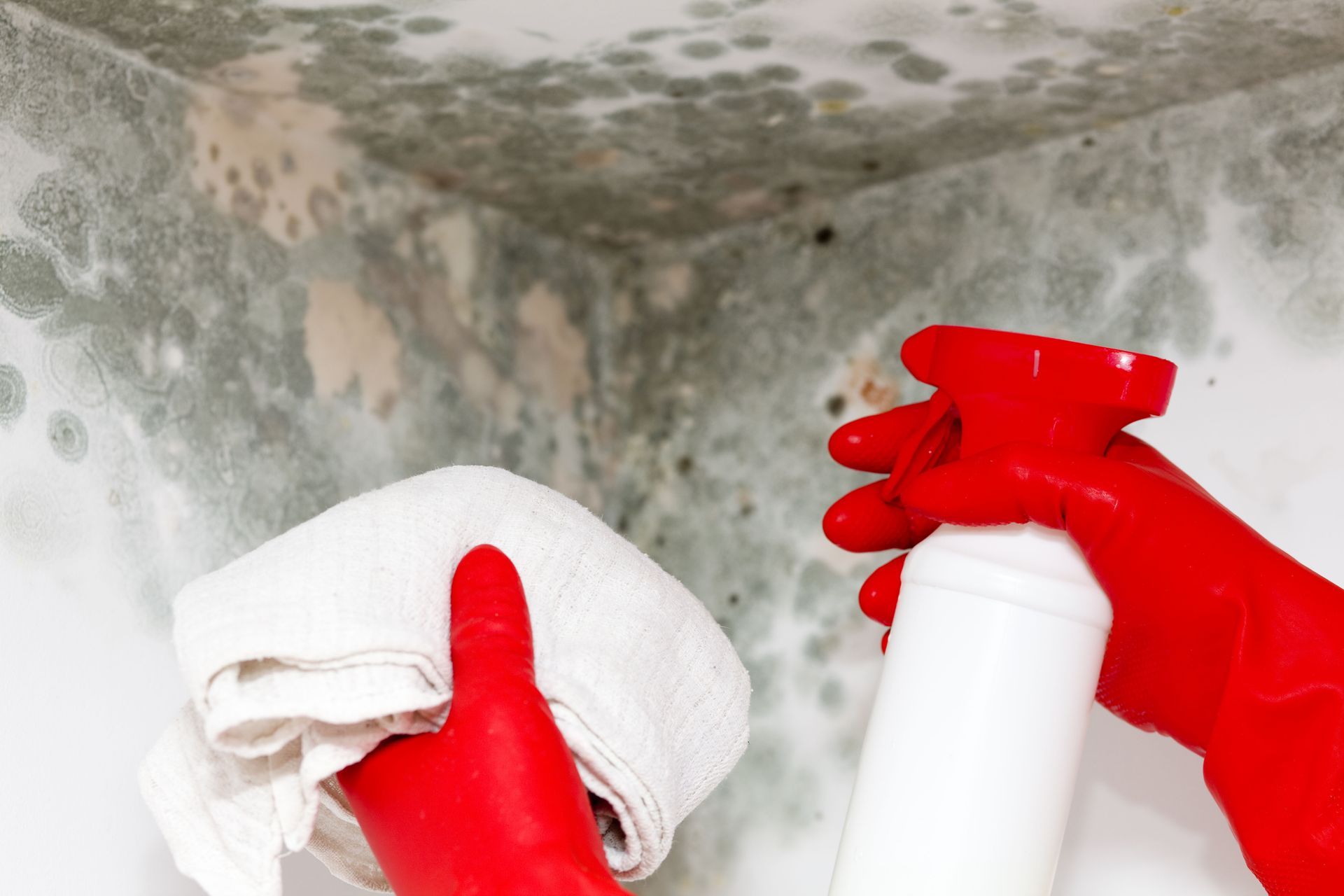
Cleaning may be part of the remediation process when appropriate. Remediation can include treating remaining surfaces with antimicrobial agents, while cleaning services may also be used as part of restoration work. The appropriate cleaning and treatment methods depend on the affected materials and conditions identified during the remediation process.
Ongoing Remediation Follow-Up
Consider Follow-Up Testing
Depending on the circumstances, follow-up inspection or testing may provide additional information about conditions after remediation. Mold inspection, sampling, and laboratory analysis can be used to evaluate mold-related concerns and provide information about the property. Discussing any remaining concerns with a remediation professional can help determine whether additional evaluation is appropriate.
Address Affected Materials
Mold remediation may require the removal of porous materials that cannot be salvaged. Depending on the type and extent of property damage, restoration work may also involve drying affected materials or restoring areas affected by water, fire, smoke, or storms. The appropriate restoration work depends on the conditions identified during the assessment.
Review the Completed Work
Once the remediation work is complete, review the affected areas and confirm that the planned work has been addressed. If additional questions or concerns remain, discuss them with the remediation professional so any appropriate follow-up can be determined. Keeping track of any remaining concerns can help guide the next steps.
Monitor for Moisture
Continue paying attention to moisture or water-damage concerns after remediation. If new moisture or visible mold is identified, documenting the affected area and arranging an appropriate inspection can help determine whether additional remediation or restoration work is needed. Keeping records of new concerns can also provide useful information during a future assessment. To learn more about this and more, contact Maximum Restoration today.