June 15, 2026
Mold is a common issue that can develop in homes without being immediately noticed. It often grows in areas that are out of sight, making it difficult to identify until signs begin to appear. Hidden mold can affect indoor conditions, damage building materials, and create concerns for property owners. This article will explain some of the most common signs of hidden mold, where it may develop, and when seeking professional help may be the best next step. According to Today’s Homeowner, 70% of homes in the United States have some form of mold growth present. This highlights how common mold can be, even in properties that appear clean and well-maintained. Since mold often develops in concealed areas, many people may not realize it is present until noticeable warning signs begin to emerge.
Noticing Unusual Odors
One of the most common signs of hidden mold is a persistent musty smell. Mold often produces a distinct odor that can linger even when no visible growth can be seen. These smells may be stronger in certain rooms, especially areas with higher moisture levels. Basements, bathrooms, laundry rooms, and crawl spaces are common locations where odors may first become noticeable. A musty odor that does not go away after regular cleaning may indicate mold growth behind walls, under flooring, or inside other concealed areas. When unusual smells continue without an obvious cause, seeking professional help can provide answers.
Seeing Discoloration on Surfaces
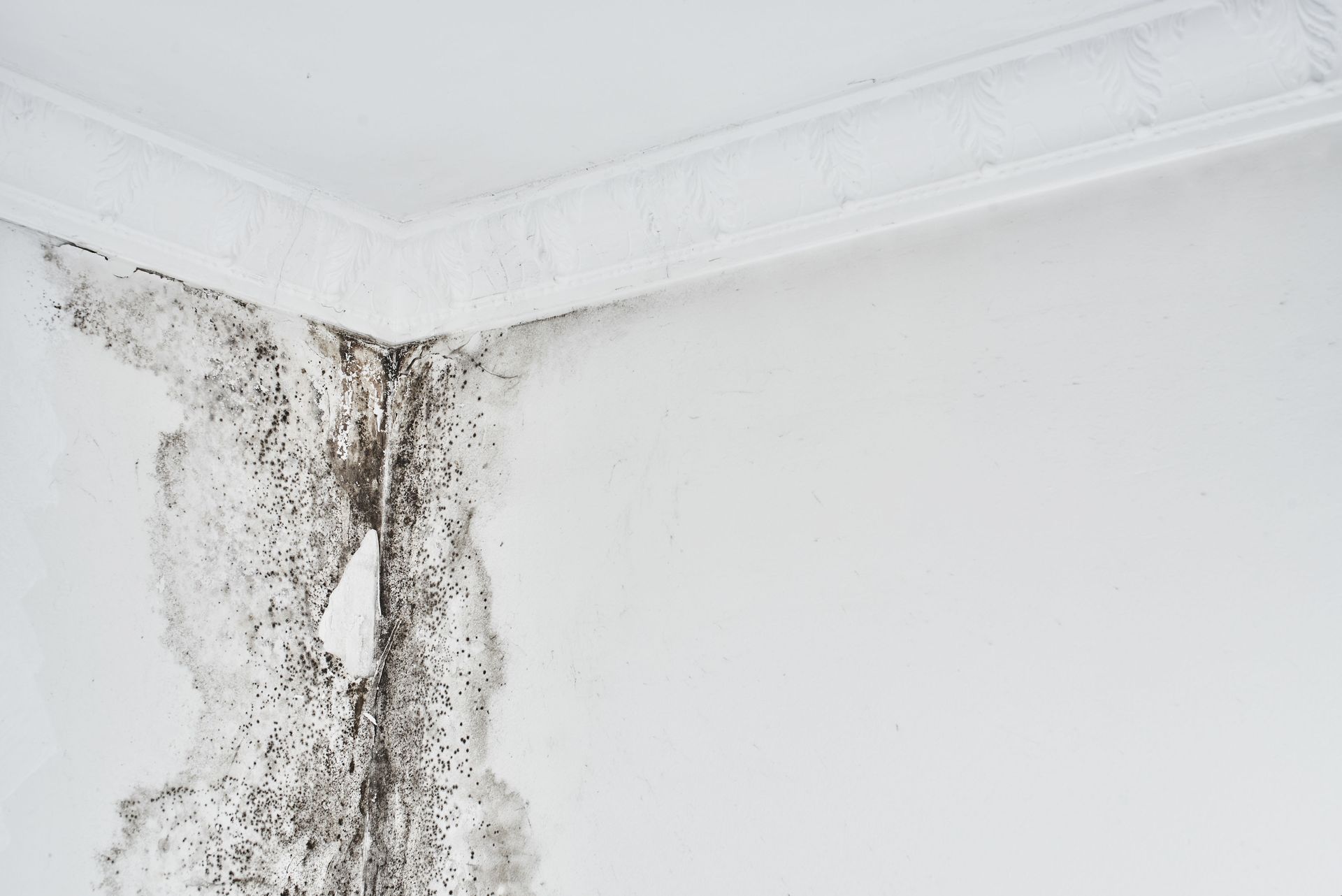
Changes in the appearance of walls, ceilings, and floors can sometimes indicate hidden mold. Discoloration may appear as dark spots, stains, yellowing, or patches that continue to spread over time. In some cases, stains may be mistaken for normal wear or aging. However, when discoloration appears near areas that have experienced moisture issues, mold may be a contributing factor. Paint may also begin to bubble, peel, or crack when moisture becomes trapped behind surfaces. These visual changes can signal conditions that allow mold growth to develop out of sight. When discoloration continues to worsen, professional evaluation may help determine whether mold remediation is needed.
Experiencing Increased Moisture
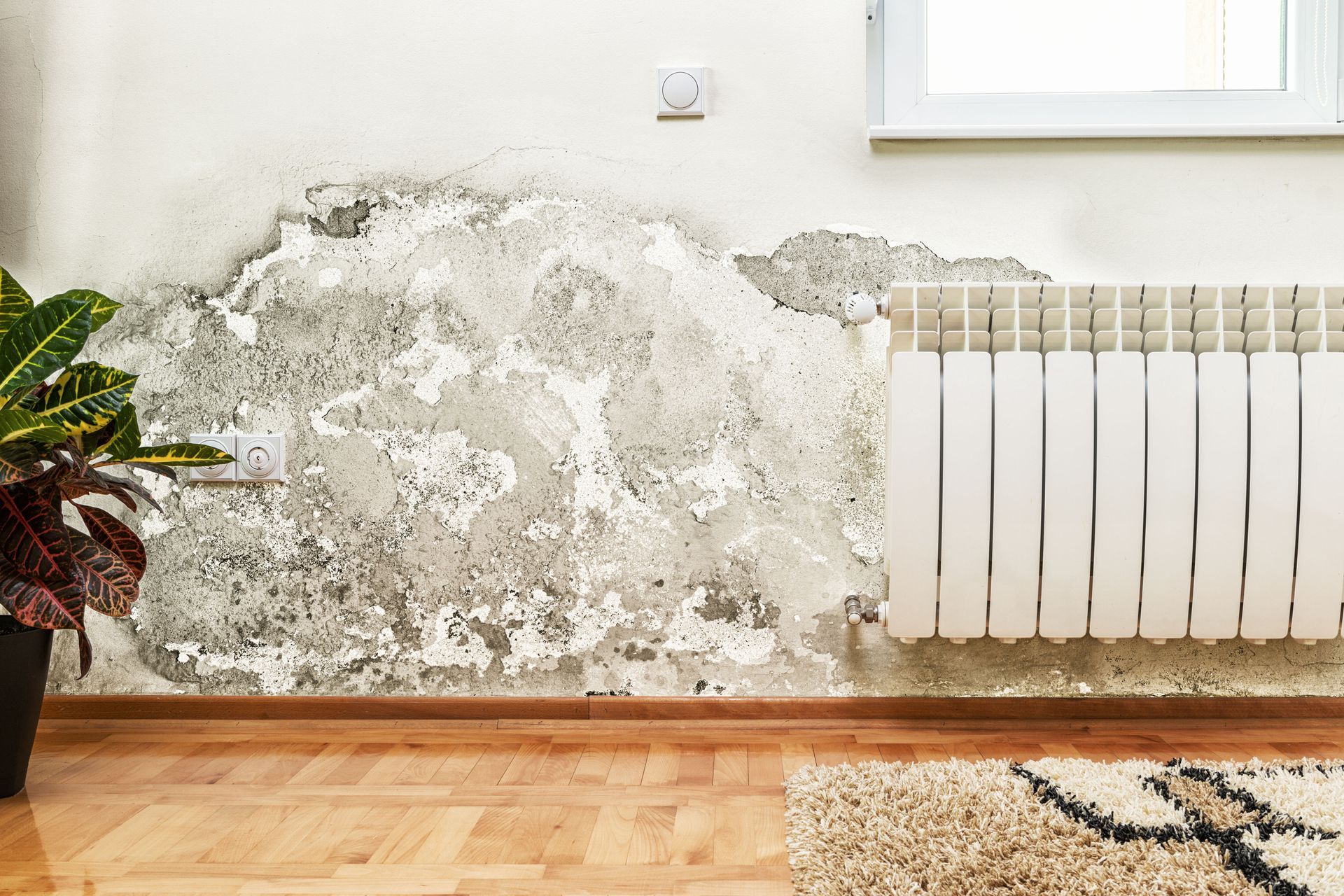
Mold requires moisture to grow, making excess humidity and water intrusion major warning signs. Condensation on windows, damp walls, or consistently humid indoor conditions can create an environment where mold thrives. Even small moisture issues can become larger problems over time. A minor leak behind a wall or beneath flooring may remain unnoticed while mold continues to spread. Past water damage can also contribute to hidden mold growth. Areas affected by roof leaks, plumbing issues, or flooding may remain vulnerable long after the original event has been resolved. Properties with recurring moisture concerns may benefit from a professional assessment to determine whether mold remediation should be considered.
Observing Changes in Building Materials
Hidden mold can affect materials throughout a home. As mold grows, it may contribute to visible changes in drywall, wood, ceiling materials, and flooring. Walls may begin to warp or feel soft in certain areas. Flooring may lift, buckle, or develop uneven sections. Ceiling materials may sag or show signs of deterioration. These changes often occur when moisture has been present for an extended period. Since mold and water damage frequently occur together, structural changes may indicate that further investigation is necessary. Professional evaluation can help identify the source of the issue and determine whether mold remediation may be appropriate.
Discovering Mold Around Visible Areas
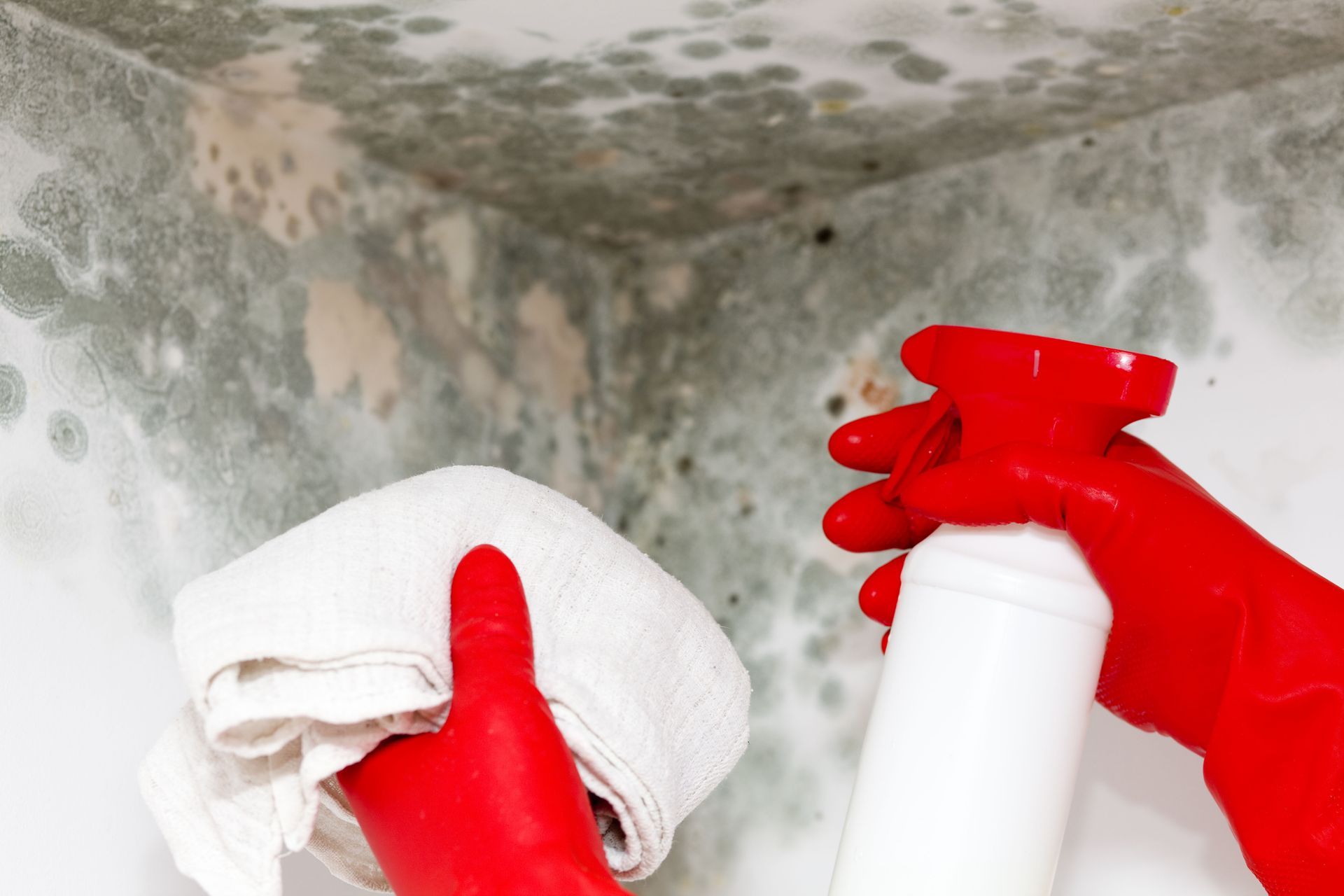
Visible mold growth in one area may indicate additional hidden growth nearby. Mold can spread into surrounding materials, including wall cavities, insulation, and spaces beneath flooring. For example, mold found around windows, sinks, or bathroom fixtures may not be limited to those surfaces alone. Moisture may have allowed growth to expand into concealed areas where it remains unseen. Visible mold should not be ignored simply because the affected area appears small. A professional inspection can help determine whether hidden mold is present beyond what is immediately visible. In many situations, early mold remediation can help address concerns before they affect larger portions of the property.
Identifying Areas With Limited Airflow
Mold often develops in locations where airflow is restricted. Closets, storage areas, attics, basements, and crawl spaces can create conditions that allow moisture to linger. These spaces may not be checked regularly, giving mold an opportunity to grow unnoticed. Limited ventilation can make it easier for humidity to build up and remain trapped for long periods. When certain areas consistently feel damp, stale, or humid, hidden mold may be a possibility. Seeking professional help can provide a clearer understanding of conditions within these less frequently used spaces. Routine awareness of enclosed areas can help property owners recognize potential warning signs before conditions become more extensive.
Recognizing Signs After Water Damage
Water damage is one of the most common factors associated with mold growth. Even after water is removed, moisture may remain trapped within building materials. Leaks from plumbing systems, roof damage, appliance failures, and storm-related incidents can all create conditions that support mold growth. Hidden moisture may remain behind walls or beneath flooring long after surfaces appear dry. If a property has experienced water damage in the past, continued monitoring may be important. Hidden mold can sometimes develop weeks or months after the original event. Professional evaluation may help determine whether mold remediation is necessary following previous moisture-related incidents.
Understanding Why Hidden Mold Matters
Hidden mold can continue spreading when moisture remains present. Since it often develops behind finished surfaces, it may remain undetected until signs become more noticeable. As mold expands, it may affect larger portions of a property and contribute to more extensive damage. Building materials exposed to prolonged moisture may deteriorate over time, leading to repairs that become more involved. Addressing concerns early can help limit the spread of mold and identify moisture sources that may be contributing to the problem. Professional mold remediation is often recommended when hidden growth is suspected or confirmed. Recognizing warning signs early allows property owners to respond before conditions become more significant.
Seeking Professional Evaluation
Because hidden mold is often difficult to locate, professional assistance can be valuable when warning signs appear. Mold may exist behind walls, under flooring, above ceilings, or in other areas that are not easily accessible. A professional evaluation can help determine whether mold is present and identify conditions that may be contributing to growth. This process can also help uncover moisture issues that may otherwise go unnoticed. When signs such as musty odors, discoloration, excess moisture, or material damage continue to appear, seeking professional help may provide important information about the condition of the property. In many cases, timely mold remediation can help address problems before they spread further throughout the home.
Hidden mold can develop quietly and remain unnoticed for long periods, especially in humid or poorly ventilated spaces. Signs such as musty odors, discoloration, persistent moisture issues, visible material damage, and previous water exposure from leaks, flooding, or condensation may indicate that mold is present behind walls or other concealed areas. Recognizing these warning signs and seeking professional help can support a healthier indoor environment and help prevent further damage. Early detection can reduce repair costs, limit contamination, and protect building materials from ongoing deterioration over time. If you suspect hidden mold in your property, contact Maximum Restoration today to learn more about professional mold remediation options.